Table of Contents
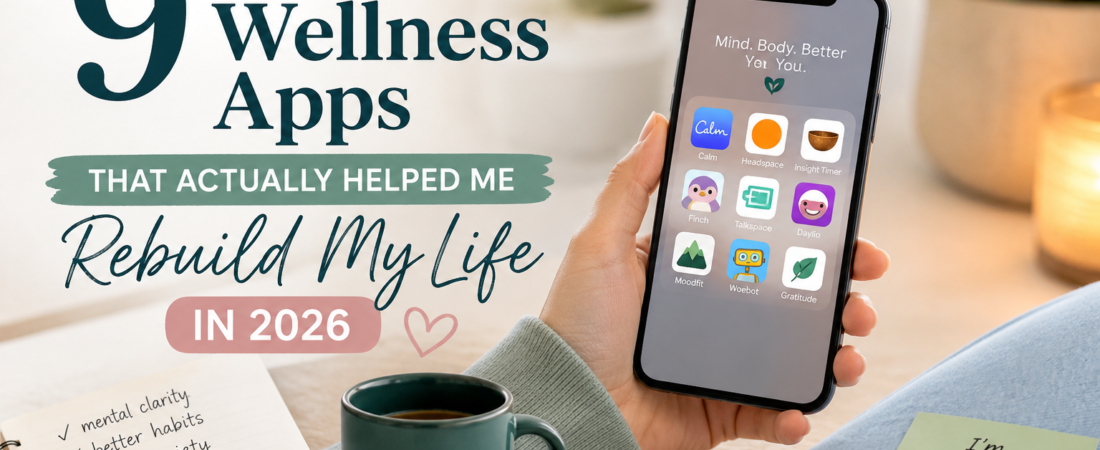
Toggle9 Mental Wellness Apps That Actually Helped Me Rebuild My Life in 2026
When I first started searching for mental wellness apps three years ago, I was skeptical. I’d tried meditation apps that felt too fluffy, mood trackers that became another chore, and chatbots that responded like they were reading from a script written in 2015. But I was desperate — therapy waitlists were months long, and I needed something that could meet me where I was: exhausted, anxious, and usually struggling most at 2am when no professional was available.
What I discovered surprised me. Some mental wellness apps genuinely delivered. They helped me understand my triggers, regulate my emotions during panic attacks, track patterns I couldn’t see on my own, and rebuild a life that had felt completely shattered. Not all of them worked — I deleted plenty — but the ones that did became essential tools in my recovery toolkit.
This isn’t a sponsored listicle or a round-up of apps I’ve never touched. These are the nine mental wellness apps I actually used, relied on, and credit with helping me function again. If you’re searching for the best apps for anxiety and depression that deliver real results, this is the honest breakdown you need.
Why Mental Wellness Apps Became My Lifeline (And Might Become Yours)
Let’s be clear: apps aren’t a replacement for professional mental health support. The Mind charity emphasizes that digital tools work best as part of a broader support system. But here’s the reality — sometimes professional help isn’t immediately accessible. Sometimes you need support at midnight, during a work meeting, or when you’re too depleted to articulate what’s wrong to another human.
That’s where mental wellness apps fill a crucial gap. According to the Mental Health Foundation, consistent daily practices like journaling, mood tracking, and breathing exercises significantly impact long-term emotional wellbeing. Apps make these practices accessible, trackable, and personalized in ways that generic advice never could.
For me, these tools became especially valuable during those nights when my mind wouldn’t shut off. If you’ve experienced similar racing thoughts at 3am, you might find helpful strategies in this guide to stopping nighttime overthinking. The right app can interrupt those spirals before they consume you.
The 9 Mental Wellness Apps That Actually Delivered Results
After testing dozens of options, these nine stood out for their effectiveness, user experience, and genuine impact on my mental health. I’ve organized them by primary function, though many overlap in features.
- MindCore AI — AI-powered emotional support and check-ins
- Calm — Sleep and relaxation content
- Woebot — CBT-based conversational support
- Daylio — Micro-journaling and mood patterns
- Bearable — Comprehensive symptom and trigger tracking
- Finch — Gamified self-care for motivation
- Headspace — Structured meditation programs
- Sanvello — Anxiety and depression specific tools
- I Am Sober — Recovery tracking and community
What made these therapy app alternatives effective wasn’t flashy design or celebrity endorsements. It was consistency, evidence-based approaches, and meeting me in moments of genuine need. Let me break down what each actually does.
How Mental Wellness Apps Address Different Needs
One mistake I made early on was expecting a single app to fix everything. Mental wellness apps work best when matched to specific challenges. Here’s how I categorized my needs and which tools addressed each:
For acute anxiety moments: I needed something immediate — breathing exercises, grounding techniques, or even just a calm voice acknowledging that panic passes. Sanvello’s SOS features and MindCore AI‘s responsive check-ins became my go-to tools during these spikes. Unlike generic meditation apps, they recognized that sometimes you need active intervention, not ambient noise.
For understanding patterns: Daylio and Bearable helped me finally see connections between sleep, diet, social interaction, and my mood crashes. After three months of consistent tracking, I discovered my worst depressive episodes consistently followed nights with less than five hours of sleep combined with skipped meals. That insight alone changed how I prioritized basic self-care.
For building sustainable habits: Finch gamified my recovery in a way that didn’t feel patronizing. Caring for a virtual pet by completing self-care tasks gave me just enough external motivation during weeks when internal motivation had completely abandoned me.
AI Mental Health Tools: The Game-Changer I Didn’t Expect
I’ll be honest — I was deeply skeptical of AI mental health tools. Early chatbots felt robotic and occasionally gave tone-deaf responses. But the 2025-2026 generation of AI-powered support has genuinely transformed what’s possible. These tools now understand context, remember previous conversations, and respond with surprising emotional intelligence.
The shift happened when developers stopped trying to make AI mimic therapists and instead focused on what AI does well: being available without judgment, at any hour, with infinite patience. That’s why tools like MindCore AI features emphasize consistent availability and personalized check-ins rather than attempting to replace clinical care.
What I’ve found most valuable about these AI companions is their ability to help with emotional regulation apps functions — walking me through difficult feelings when I can’t articulate them to another person. Sometimes naming an emotion to an AI first makes it easier to discuss with a therapist or friend later. If you’re curious about how AI tools support recovery specifically, this piece on AI chat companions during recovery explores that territory in depth.
What Makes Mental Wellness Apps Actually Work
After years of use, I’ve identified the features that separate wellness apps that work from those gathering digital dust on your phone. The effective ones share several characteristics:
Low friction daily use: If an app takes more than 30 seconds to log a mood or access a breathing exercise, I won’t use it during a crisis. The best mental wellness apps prioritize speed and simplicity over comprehensive data collection.
Personalization that improves over time: Generic content stops being helpful quickly. Apps that learn your patterns, triggers, and preferences become more valuable the longer you use them. This is where AI-powered options have a significant advantage.
Evidence-based techniques: The NHS mental health support resources emphasize approaches like CBT, behavioral activation, and mindfulness-based stress reduction. The apps that incorporate these frameworks — rather than just positive affirmations — produce measurable results.
Privacy and security: Your mental health data is deeply personal. I only commit to apps with clear privacy policies, encrypted data, and no selling of information to third parties. Read those policies before downloading.
Building a Mental Wellness App Toolkit That Covers All Bases
Here’s the system that worked for me. Rather than relying on one app, I built a small toolkit where each tool serves a specific purpose:
Daily check-in: MindCore AI for quick emotional temperature checks and AI-supported processing. This became my morning and evening ritual — a structured moment to acknowledge how I’m actually feeling rather than pushing through on autopilot.
Pattern tracking: Bearable for detailed logging when I have the energy, Daylio for quick micro-entries when I don’t. Together, they gave me enough data to have productive conversations with my therapist about trends.
Crisis support: Sanvello’s guided techniques for acute anxiety and panic. Knowing I had a tool ready made those moments less terrifying.
Skill building: Headspace for meditation (I finally stuck with it after three years of failed attempts) and Woebot for CBT exercises I could do anywhere.
This combination addressed my needs without overwhelming me. You might need different configurations — someone in recovery might add I Am Sober to this mix, while someone focused on postpartum support might prioritize different features entirely. You can learn more about our story and why we believe personalized approaches matter.
The Honest Limitations of Mental Wellness Apps
I’d be doing you a disservice if I didn’t acknowledge what these tools can’t do. Mental wellness apps are not crisis intervention — if you’re in immediate danger, please contact emergency services or crisis hotlines. They’re also not a replacement for diagnosis or treatment of serious mental health conditions.
Apps work best as supplements to human support, not substitutes for it. The ideal scenario combines professional care when needed, supportive relationships, and digital tools that fill gaps between sessions and provide daily structure. Think of them as the gym equipment of mental health — useful tools that support your goals but meaningless without your commitment to showing up.
I also discovered that app fatigue is real. Starting five new mental wellness apps simultaneously is a recipe for abandoning all of them within two weeks. Start with one, build consistency, then add others as needed.
Getting Started: Finding Mental Wellness Apps That Match Your Needs
If you’re feeling overwhelmed by options, start with these questions:
What’s your primary challenge right now? Anxiety, depression, sleep, emotional regulation, addiction recovery, or general wellness? Narrow your focus before browsing app stores.
When do you struggle most? If nighttime is your difficult period, prioritize apps with sleep support and 24/7 availability. If work stress triggers you, look for discrete tools you can use during breaks.
What’s your capacity for input? Some people thrive with detailed tracking. Others need minimal friction. Be honest about your energy levels and choose accordingly.
The MindCore AI blog covers many of these topics in depth, helping you understand what might work for your specific situation. Recovery and wellness aren’t one-size-fits-all, and neither should your digital toolkit be.
Frequently Asked Questions About Mental Wellness Apps
Are mental wellness apps actually effective for anxiety and depression?
Research increasingly supports that mental wellness apps using evidence-based approaches like CBT and mindfulness can meaningfully reduce anxiety and depression symptoms, particularly for mild to moderate cases. However, effectiveness depends heavily on consistent use and choosing apps with clinically validated methods. They work best as complements to professional care rather than standalone treatments.
How do I know which mental wellness apps are trustworthy?
Look for apps that are transparent about their methodology, privacy practices, and clinical backing. Trustworthy options clearly state what evidence supports their approach, don’t make exaggerated claims about “curing” mental illness, and have clear data protection policies. Tools like MindCore AI prioritize user privacy while incorporating evidence-based emotional support features.
Can apps really replace therapy?
No — mental wellness apps are designed to supplement professional support, not replace it. They excel at providing between-session practice, 24/7 availability for non-emergency support, and habit-building structures. For serious mental health conditions, diagnosis, and treatment plans, working with qualified professionals remains essential.
How many mental wellness apps should I use at once?
Start with one or two apps maximum and build consistency before adding more. App fatigue is a common reason people abandon digital wellness tools entirely. Once you’ve established a routine with your initial choices, you can thoughtfully add complementary tools that address different needs without overwhelming your daily capacity.
Are AI-powered mental wellness apps safe to use?
Reputable AI mental health tools are designed with safety guardrails, clear limitations, and crisis escalation protocols. They’re generally safe for emotional support and skill-building but should never be relied upon for crisis intervention. Always verify an app’s privacy policy, ensure your data is encrypted, and treat AI interactions as supportive tools rather than clinical advice.
Your Next Step Toward Better Mental Wellness
Rebuilding my life didn’t happen because I downloaded an app. It happened because I committed to showing up for myself daily — and the right mental wellness apps made that commitment sustainable. They met me at 3am when the anxiety peaked, tracked the patterns I couldn’t see, and gave me tools I could actually use in moments of crisis.
If you’re ready to explore what consistent, intelligent support could look like, I encourage you to start somewhere. One app. One daily check-in. One small commitment to understanding your own mind better. The perfect tool doesn’t exist, but the right tool for where you are right now absolutely does.
Ready to experience AI-powered mental wellness support that actually adapts to you?
Download MindCore AI on Google Play