7 Features I Wish Every Mental Health App Had (From Someone Who Needed One)
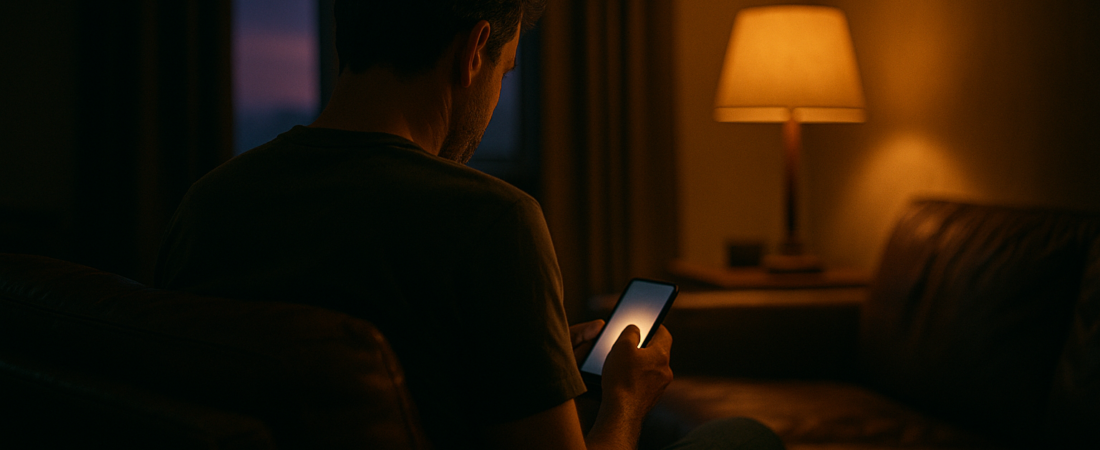
I downloaded my first mental health app at 2am on a Tuesday, sitting in my car outside my own house because I couldn’t face going inside. I wasn’t in crisis — not the kind that makes headlines anyway. I was just tired. Tired of pretending everything was fine. Tired of that constant static in my head. I needed something, anything, to help me get through the night.

That app lasted three days on my phone. It wanted me to journal about my gratitude, rate my mood with cartoon faces, and listen to a woman with a suspiciously calm voice tell me to breathe. Nothing wrong with any of that — but it wasn’t built for me. It felt like wearing someone else’s shoes. Close enough to function, but wrong in ways that made every step uncomfortable.
Over the next year, I tried probably a dozen different options. Some were decent. Most weren’t. And through all that trial and error, I started building a mental list of what I actually needed — features that would’ve made a real difference during those dark early mornings. This is that list. Not from a developer or a therapist, but from a bloke who’s been there and finally found what works.
Why Most Mental Health App Options Miss the Mark for Men
Here’s the uncomfortable truth: most digital mental health support was designed with a specific user in mind, and it wasn’t us. The pastel colours. The gentle prompts. The assumption that you’re already comfortable talking about your feelings. None of it connects with how most men actually experience struggle.
According to Mental Health Foundation research, men are far less likely to access psychological therapies than women — not because we don’t need them, but because the available options don’t feel relevant. The same applies to mental health apps for men. We’re not looking for something that treats us like we’re fragile. We want tools that respect our intelligence and meet us where we actually are.
That gap is exactly why I became obsessed with finding — or hoping someone would build — the right app for depression and anxiety that actually understood how men process things differently. We’re often dealing with anger, numbness, or that hollow feeling that something’s wrong but we can’t name it. A good mental health app should recognise that. If you’ve ever wondered why men struggle to talk about their feelings, you’ll understand why the design of these tools matters so much.
Feature 1: A Mental Health App That Doesn’t Require Emotional Fluency
Let’s start with the basics. Most apps assume you can articulate exactly how you’re feeling at any given moment. “Are you feeling anxious, sad, overwhelmed, or irritable?” Mate, I don’t know. I just feel like rubbish. Can’t we start there?
The best mental health app for anxiety doesn’t force you to have a vocabulary you haven’t developed yet. It should offer simple entry points:
- Physical sensations (tight chest, racing heart, exhaustion)
- Behavioural patterns (avoiding people, sleeping too much, can’t focus)
- Simple scales (1-10, not twenty different emotion words)
- Voice or text input without rigid structures
The goal isn’t to become a feelings expert overnight. It’s to start noticing patterns without needing a psychology degree. Any mental wellness app features worth having should lower the barrier to entry, not raise it.
Feature 2: Available at 3am Without Judgement
The worst moments don’t happen during business hours. They happen when you’re lying awake at 3am, when everyone you could call is asleep, when your thoughts are loudest and your defences are lowest. That’s when a mental health app needs to actually work.
I’m not talking about a chatbot that says “I hear you’re struggling. Have you tried deep breathing?” I mean genuine, responsive support that adapts to what you’re dealing with right now. Something that can talk you through those spiralling thoughts without making you feel like you’re bothering it. That’s why tools like MindCore AI were built — to be there at 3am when no one else is.
If you’ve ever found yourself trapped in your own head late at night, you’ll want to read about how to stop overthinking at night. The right digital mental health support acts like a circuit breaker for those moments, giving you something constructive to engage with instead of letting the thoughts run wild.
Feature 3: A Mental Health App With Practical Tools, Not Just Platitudes
“You’re doing great!” No, I’m not. That’s why I’m here. One of the biggest problems with mental wellness app features in most options is they confuse cheerleading with helping. Positive affirmations have their place, but when you’re genuinely struggling, empty encouragement feels insulting.
What actually helps? Concrete techniques you can use immediately. Grounding exercises that don’t require you to find a quiet space (because sometimes you’re in a meeting trying not to lose it). Cognitive reframing prompts that help you challenge the rubbish stories your brain is telling you. Progress tracking that shows you data, not just smiley faces.
The best mental health app for anxiety gives you practical skills. It teaches you something. It treats you like an adult who can handle real information about what’s happening in your brain and what you can do about it. That’s the kind of digital mental health support men actually engage with.
Feature 4: Privacy That’s Actually Private
Let’s talk about the elephant in the room. One reason men don’t seek help is fear of exposure. We worry about what happens if someone finds out. An employer. A partner. Anyone. So downloading a mental health app is already a leap — and the last thing you need is concerns about where that data goes.
A proper app for depression and anxiety needs bulletproof privacy:
- No social media integration prompts
- Clear data policies in plain English
- Optional anonymous use
- No surprise notification content that outs what you’re using
This isn’t paranoia. It’s basic respect. According to Mind, stigma remains one of the biggest barriers to men seeking mental health support. A mental health app should be part of the solution, not another potential risk. You can read more about our story to understand why privacy was non-negotiable from day one.
Feature 5: A Mental Health App That Tracks What Actually Matters
Mood tracking is standard in most apps, and it’s useful to a point. But mood alone doesn’t tell the whole story. What about sleep? Exercise? Alcohol intake? Work stress? Social connection? These factors are often more actionable than knowing you felt “meh” on Wednesday.
The mental wellness app features that made the biggest difference for me were the ones that helped me spot connections. I noticed that my worst days almost always followed nights where I’d had a few drinks and slept badly. Sounds obvious in hindsight, but I’d never connected those dots before. The MindCore AI features are designed around this kind of pattern recognition — giving you insight, not just a mood diary.
Mental health apps for men need to incorporate the full picture. We’re physical creatures who often experience mental struggles through our bodies first. A comprehensive app for depression and anxiety should track that holistic data and help you see what’s actually driving your state.
Feature 6: Content That Doesn’t Make You Cringe
If I see one more stock photo of a man looking pensively at a sunset with his hand on his chin, I’m throwing my phone in the sea. The aesthetic of most mental wellness apps is actively off-putting for a huge portion of the male population. It signals “this isn’t for you” before you’ve even started.
Design matters. Tone matters. The best mental health app for anxiety aimed at men needs to strip away the fluff. Direct language. Clean interface. No infantilising animations. Content that sounds like it was written by someone who’s actually struggled, not someone who read about struggling in a textbook.
This extends to the actual exercises and resources too. Guided meditations that don’t assume you’re already converted to meditation. Journaling prompts that ask real questions. Audio content from voices that don’t make you want to skip immediately. These things seem small, but they’re often the difference between an app that becomes part of your routine and one that gets deleted after a week.
Feature 7: A Bridge to Proper Support When Needed
Let’s be clear: no mental health app replaces professional help when you really need it. But a good one should make that transition easier, not harder. That means having clear information about when to seek additional support, local resources, and crisis contacts that are actually accessible.
The NHS mental health support page is a solid starting point for UK-based users, and any decent digital mental health support tool should integrate these kinds of resources seamlessly. Not buried in a settings menu — visible and normalised.
For many men, an app for depression and anxiety is the first step they’ll take toward addressing their mental health. It’s less confronting than booking a GP appointment. Less exposing than telling a friend. That makes mental health apps for men a crucial on-ramp to the broader support system. But the app needs to recognise its own limitations and facilitate the next steps when appropriate. You’ll find more resources and perspectives on the MindCore AI blog if you’re looking for that kind of guidance.
Frequently Asked Questions About Mental Health App
What should I look for in a mental health app as a man?
Look for direct, practical tools rather than generic wellness content. A good mental health app for men should offer privacy, pattern tracking, available support at any hour, and content that doesn’t feel condescending. Avoid anything that prioritises aesthetics over functionality or assumes you’re already comfortable discussing emotions.
Can a mental health app really help with anxiety?
Yes, particularly for developing coping strategies and identifying triggers. The best mental health app for anxiety teaches you techniques like grounding and cognitive reframing that you can use in real-time situations. It won’t replace therapy for severe cases, but it’s a powerful daily tool for managing symptoms and building self-awareness.
How do I know if I need a mental health app or actual therapy?
Start with whatever feels accessible. An app can be a useful first step or complement to professional support. If you’re experiencing persistent symptoms that interfere with daily life, thoughts of self-harm, or your coping strategies aren’t working, seek professional help through your GP or a mental health service. MindCore AI can help you recognise these patterns and provides clear guidance on when to escalate.
Are mental health apps confidential?
It varies significantly by app. Always check the privacy policy for data storage and sharing practices. Quality apps offer anonymous use options and won’t expose what you’re using through notifications. Avoid any app that requires social media login or lacks clear data protection information.
How often should I use a mental health app to see results?
Consistency matters more than duration — even five minutes daily builds awareness over time. Most men see meaningful pattern recognition within two to three weeks of regular use. The key is making it part of your routine, similar to checking the weather or your calendar, rather than treating it as a special event.
Taking the First Step
If you’d told me two years ago that I’d be writing about mental health apps, I’d have laughed you out of the room. But here’s what I’ve learned: the right tools make a difference. Not in some miraculous overnight transformation way — in a gradual, “I’m handling things slightly better than before” way. That adds up.
You don’t need to be in crisis to benefit from digital mental health support. You don’t need to have it all figured out. You just need something that meets you where you are, without judgement, without making you feel like you’re doing feelings wrong. A proper mental health app should feel like having a decent conversation with yourself — the version of yourself who actually wants to sort things out.
If any of this resonated, give it a go. Try something. Delete it if it’s rubbish. Try something else. The only wrong move is doing nothing.
—