I Built the App I Desperately Needed
This is not a polished origin story written by a marketing team. This is what actually happened — told as honestly as I know how.
Twenty Years of Holding It Together
I spent over two decades in one of the most high-pressure industries in the world. I won’t dress it up — it was relentless. Long hours, high stakes, a job where you are always performing and never, ever allowed to crack. From the outside, I had it together. I always had it together.
But something was happening underneath all of that. So slowly, so quietly, that for a long time I didn’t even have a name for it. A restlessness that followed me everywhere. An inability to switch off, even when nothing was happening. A low-level dread that sat in my chest every morning before I’d even opened my eyes.
That was anxiety. I didn’t know to call it that then. I thought it was just who I was — a personality flaw, a weakness I needed to push through. So I pushed through it. I kept performing. I kept holding it together, the way men are supposed to hold things together.
“I thought anxiety was a personality flaw, not a condition. I thought if I just pushed harder, it would eventually stop. It didn’t stop. It got louder.”
The depression arrived later. Or maybe it was always there and I just couldn’t see it through the noise. Either way, somewhere in those twenty years, I stopped feeling things the way I used to. Joy became muted. Enthusiasm became effort. Getting through the day became the whole point — not living it, just surviving it.
I told no one. Because that is what you do. You carry it alone. And you get very good at pretending you’re not.
When Coping Becomes the Thing That Destroys You
Anxiety and depression don’t stay quiet forever. When you refuse to deal with them — when you don’t even know you need to — they find their own way out. For me, that way was alcohol. Not all at once. Not dramatically. Just gradually, the way these things always go.
A drink at the end of a brutal day. A drink to sleep. A drink to take the edge off before a difficult situation. And then, eventually, a drink because the idea of not having one felt unbearable. And then cocaine — to feel like myself again, to feel anything again, to get through the day with something that resembled energy and aliveness.
Fifteen years. I want that to sit for a moment. Not a phase. Not a difficult period. Fifteen years of my life shaped by substances I was using to cope with feelings I didn’t know how to face.
“Fifteen years. I kept telling myself it was under control. The truth is, it controlled everything — I just got very good at hiding it.”
From the outside, I was still functioning. Still showed up. Still performed. That’s what high-functioning addiction looks like — it lets you keep the mask on just long enough to convince yourself and everyone else that you’re fine.
But the cost was everywhere. My marriage — the most important relationship in my life — was fracturing under the weight of living with someone who was there but not really present. My wife could see it. My family could feel it. And I was so lost inside my own fog I couldn’t reach them, couldn’t explain it, couldn’t even fully see it myself.
I remember nights lying awake at 3am, heart going, thoughts I couldn’t slow down, a weight so heavy I couldn’t name it. And no one to call. Not because I had no one — but because what would I even say? How do you explain something you don’t understand yourself, to people you’re terrified of losing?
So I said nothing. And the silence grew.
The Quietest, Most Important Morning of My Life
There was no single dramatic moment. No intervention. No rock bottom that makes for a clean, cathartic story. There was just a morning — an ordinary morning — where I sat with myself and looked, really looked, at where the last twenty years had actually taken me.
What I’d traded. What I’d missed. What I was still in the process of losing. And something in me went completely quiet, and then completely certain: I do not want this life anymore. Not one more day of it.
That was the decision. No alcohol. No cocaine. Not a reduction — a full stop, no exceptions, no “just this once.” Two years ago. I have not touched either since.
“I didn’t get sober for anyone else. I got sober because I looked at my life and didn’t recognise the person living it. I wanted myself back.”
What came after was the hardest work I have ever done. Not the not-drinking — though that was brutal in its own way. The hard part was learning to sit with the feelings I’d spent fifteen years running from. Learning that anxiety didn’t have to be a permanent state. That depression wasn’t my identity.
My wife stayed. My family held. Slowly — carefully, imperfectly — things began to heal. Relationships I thought I’d permanently damaged started to breathe again. The version of me that the people I loved had been watching disappear started, piece by piece, to come back.
For the first time in two decades, I was moving forward. Sober, clear-headed, and present — maybe for the first time in my adult life.
I Searched for Something That Didn’t Exist
In rebuilding, I started looking. I looked for an app, a tool, something that could have helped me during those years. Something that could have been there at 3am when the thoughts wouldn’t stop and there was no one to call. Something that understood what it was like to be a functioning adult who was quietly falling apart.
What I found was a lot of apps built for people who were already doing reasonably well. Meditation apps for people who needed to relax. Therapy platforms with waitlists and scheduling and the requirement to explain yourself to a stranger before you’d even understood it yourself.
None of it was built for someone like me. For the person sitting alone at 2am with twenty years of unprocessed weight and nowhere to put it. For the man who would never walk into a therapist’s office, but who desperately needed to talk to someone.
“The gap wasn’t a business opportunity. It was a wound I recognised because I’d bled from it for fifteen years.”
That gap — that specific, painful, real gap — is where MindCore AI came from. Not from market research. Not from a startup pitch. From knowing exactly what it feels like to need something that doesn’t exist, and deciding to build it anyway.
I had never built an app in my life. But I had something more valuable than technical expertise: I knew exactly who I was building it for, because I had been that person. I still am, in many ways. The difference is that now I have something to reach for.
Built for the Person I Was at My Lowest
Every single feature in MindCore AI exists because of a specific need I felt — or watched others feel — during the worst years. The voice AI is there because sometimes you can’t type. You just need to speak out loud to something that won’t judge you, won’t be burdened by what you’re sharing.
The breathing tools are there because anxiety at 2am is a physiological emergency — you need something immediate that works with your body. The mood tracking is there because patterns are invisible until you name them, and naming them is the first step to changing them.
The 24/7 availability is there because suffering doesn’t respect business hours. The worst moments don’t happen between nine and five. They happen in the cracks. And MindCore AI is in the cracks with you.
“I built what I wish I had. Not the polished version — the version that would have caught me before I fell all the way down.”
The app is designed for adults who are carrying more than they show. Who are performing wellness while suffering quietly. Who would never describe themselves as someone who needs mental health support — but who are exhausted in a way that sleep doesn’t fix.
It is for people in recovery who need a non-judgmental presence at any hour. For high-stress professionals with nowhere safe to put the weight of what they carry. For anyone sitting alone in the dark who needs to hear that it is possible to find your way back.
Because it is possible. I know that now in a way I couldn’t have imagined ten years ago. And that knowledge — hard-won, bone-deep — is the foundation every single line of this app is built on. If I could come back from where I was, anyone can. That is not a slogan. That is the whole point.
“No one should feel worthless or alone.— KF, Founder of MindCore AI
I’m living proof that anyone can build a better life for themselves.”
Online-Therapy.com
If you’re ready for professional support, this is what I recommend. Online-Therapy.com offers CBT-based therapy with licensed therapists, completely online. Worksheets, live sessions, messaging, and a personal therapist you can reach anytime. It’s affordable, private, and built for people who want real therapy without the waiting room. If MindCore AI is your daily companion, this is the next step when you need more.
Try Online-Therapy.com →
What Actually Helps Me
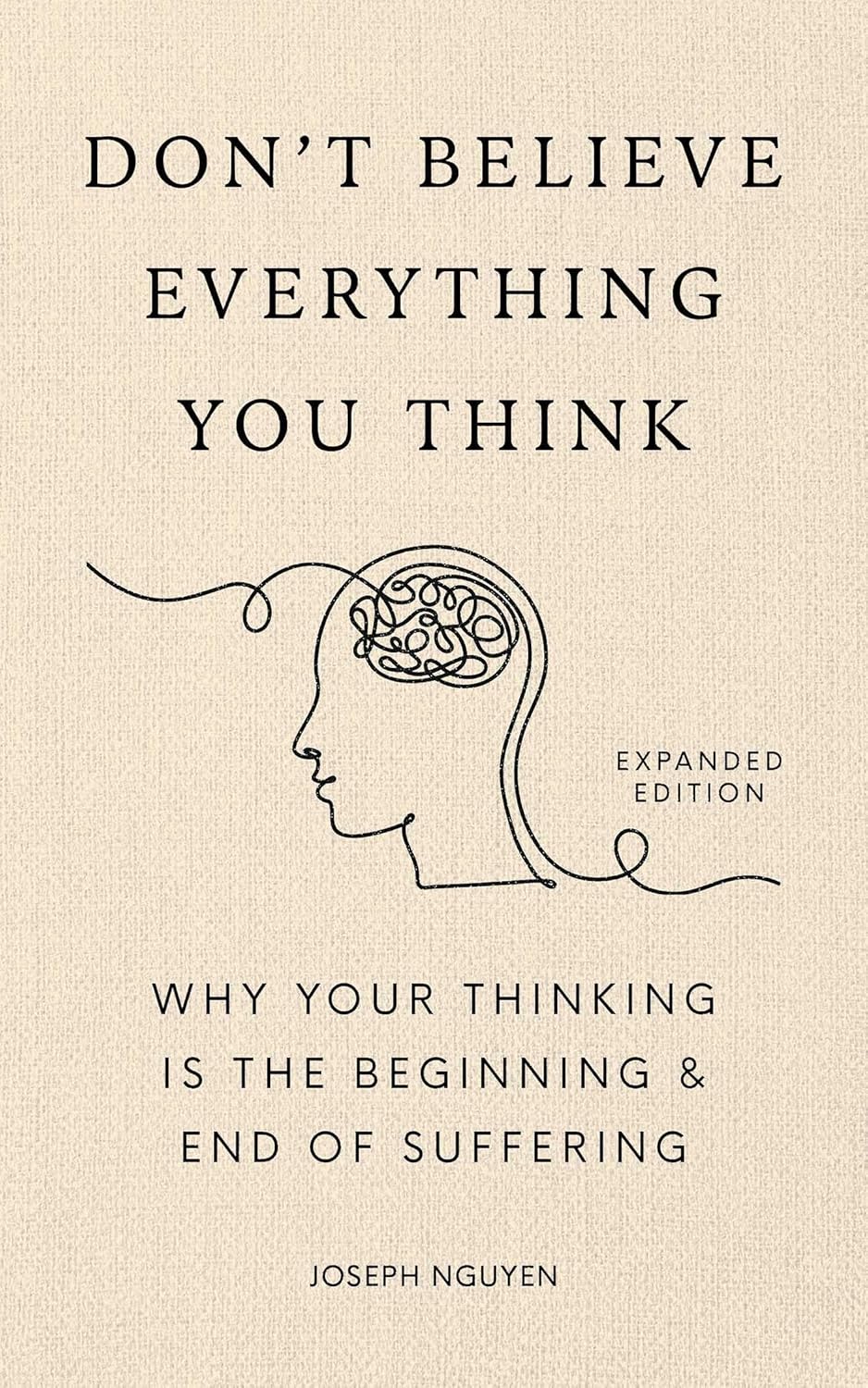
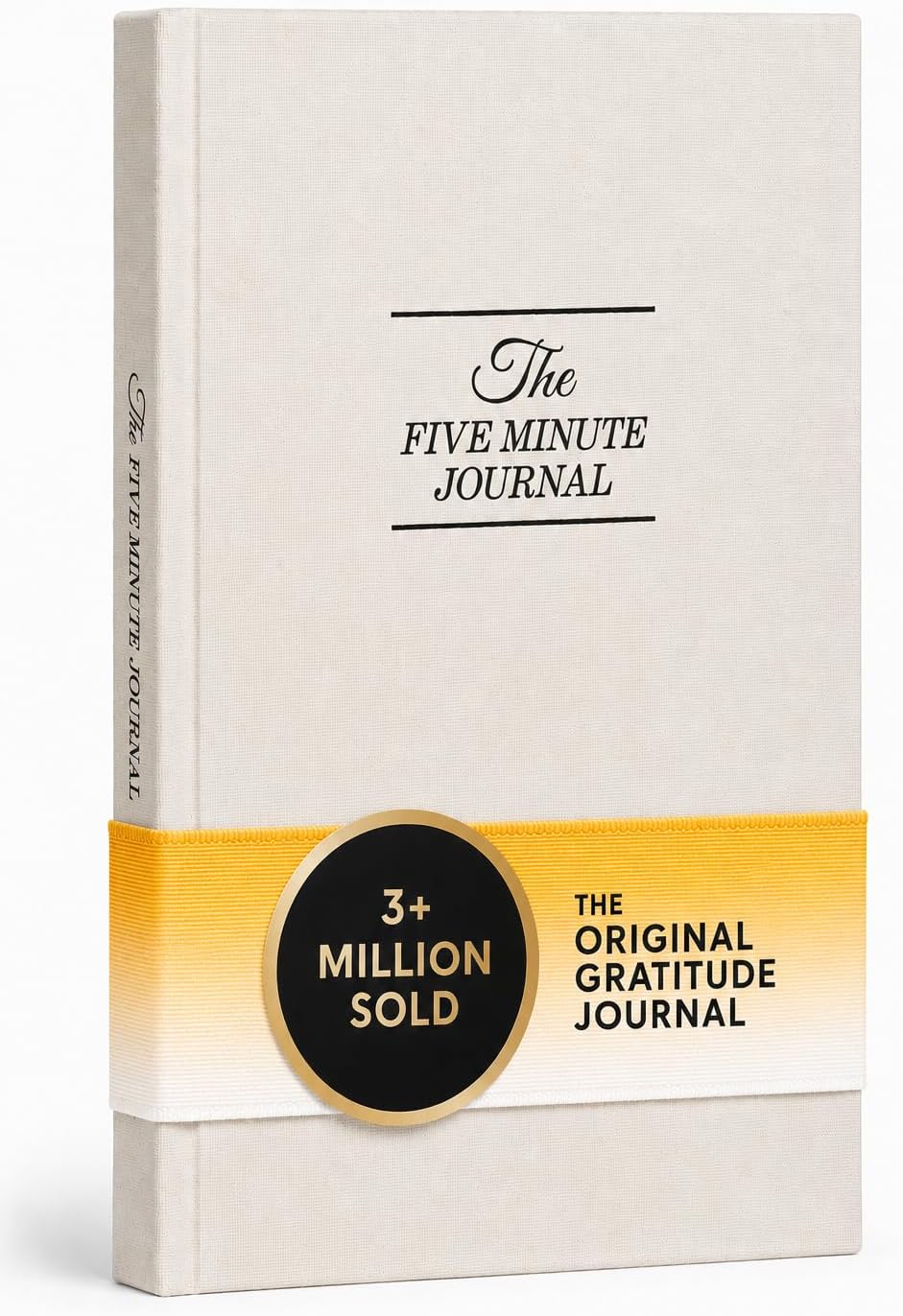
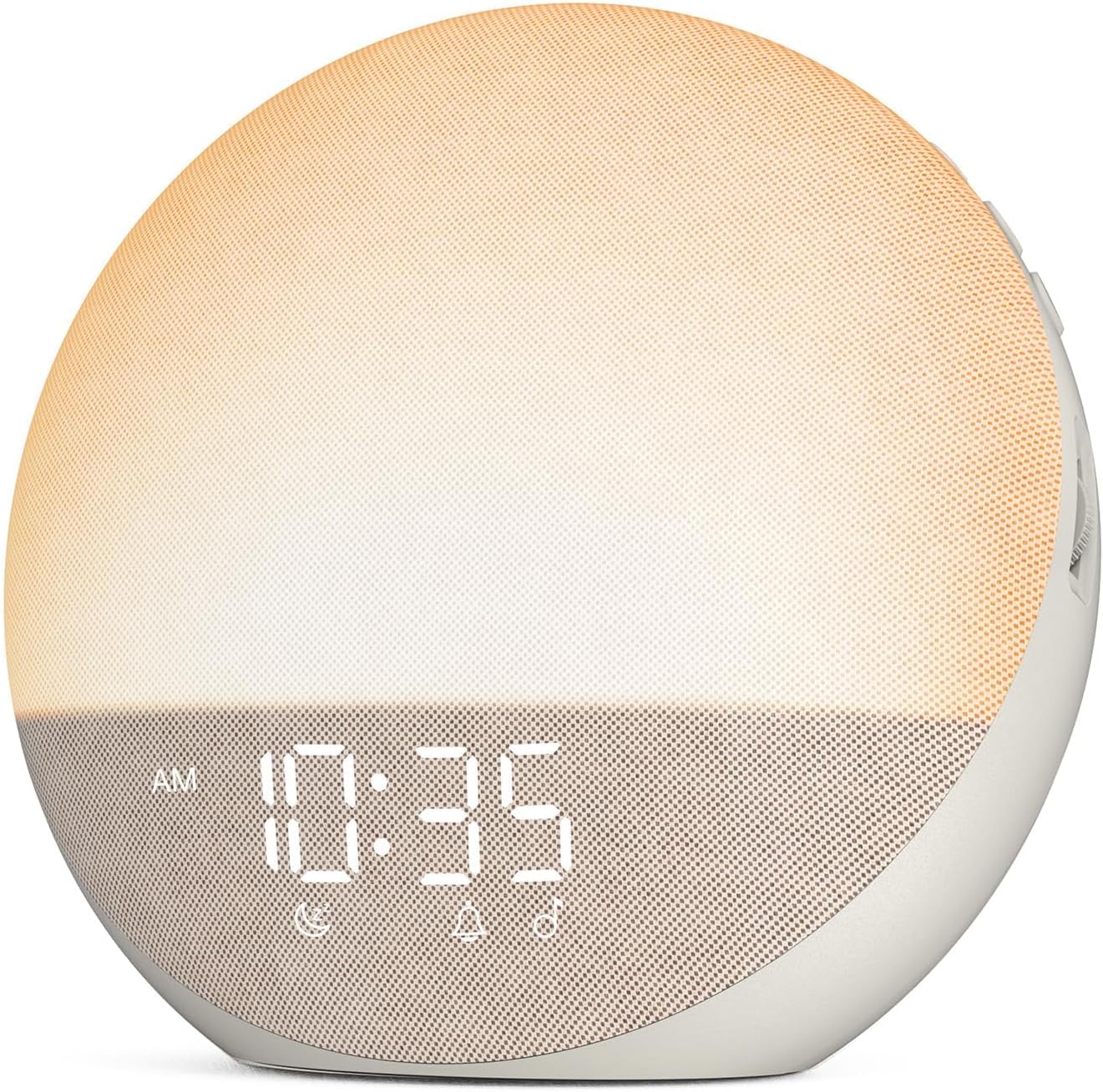
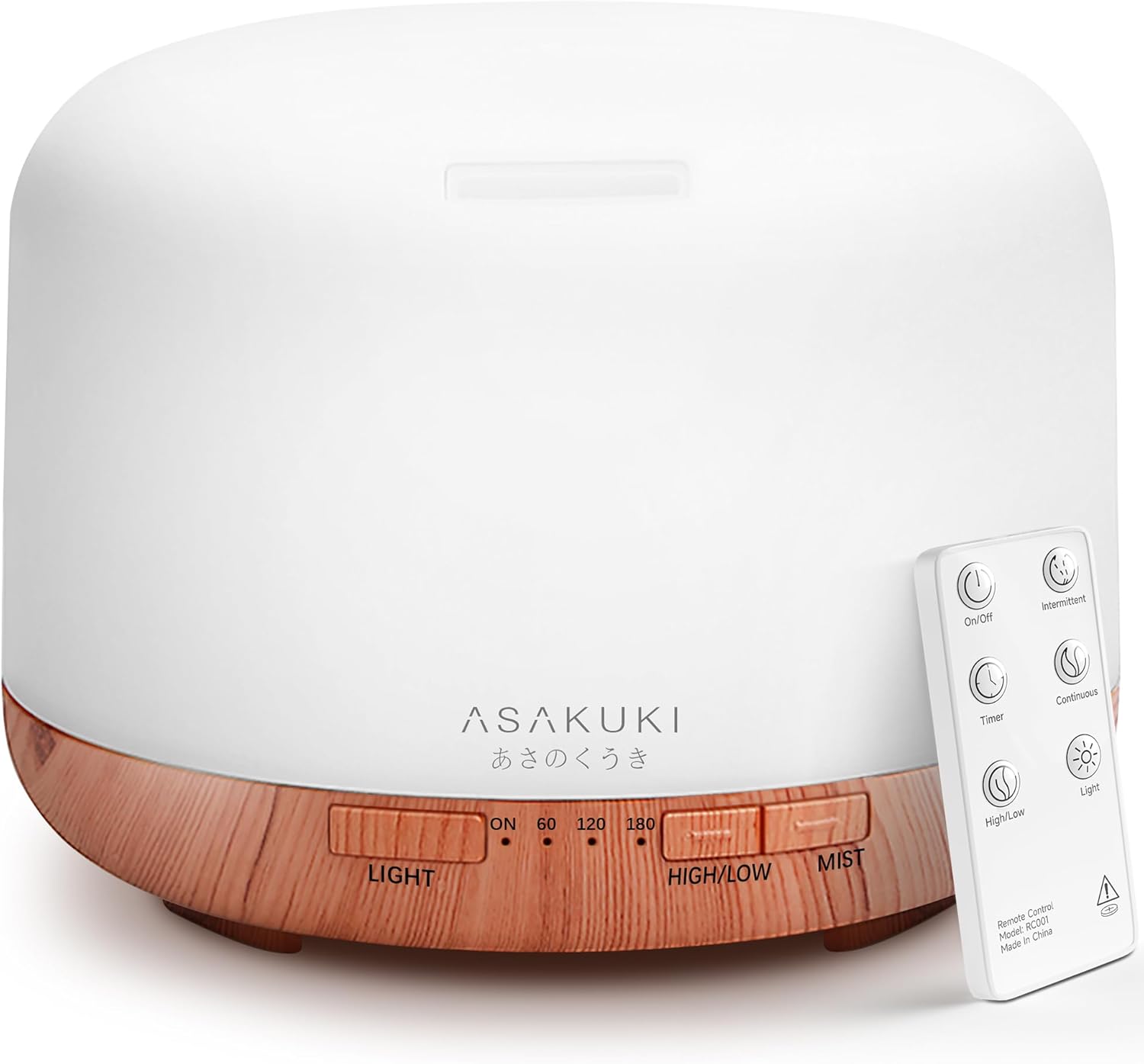
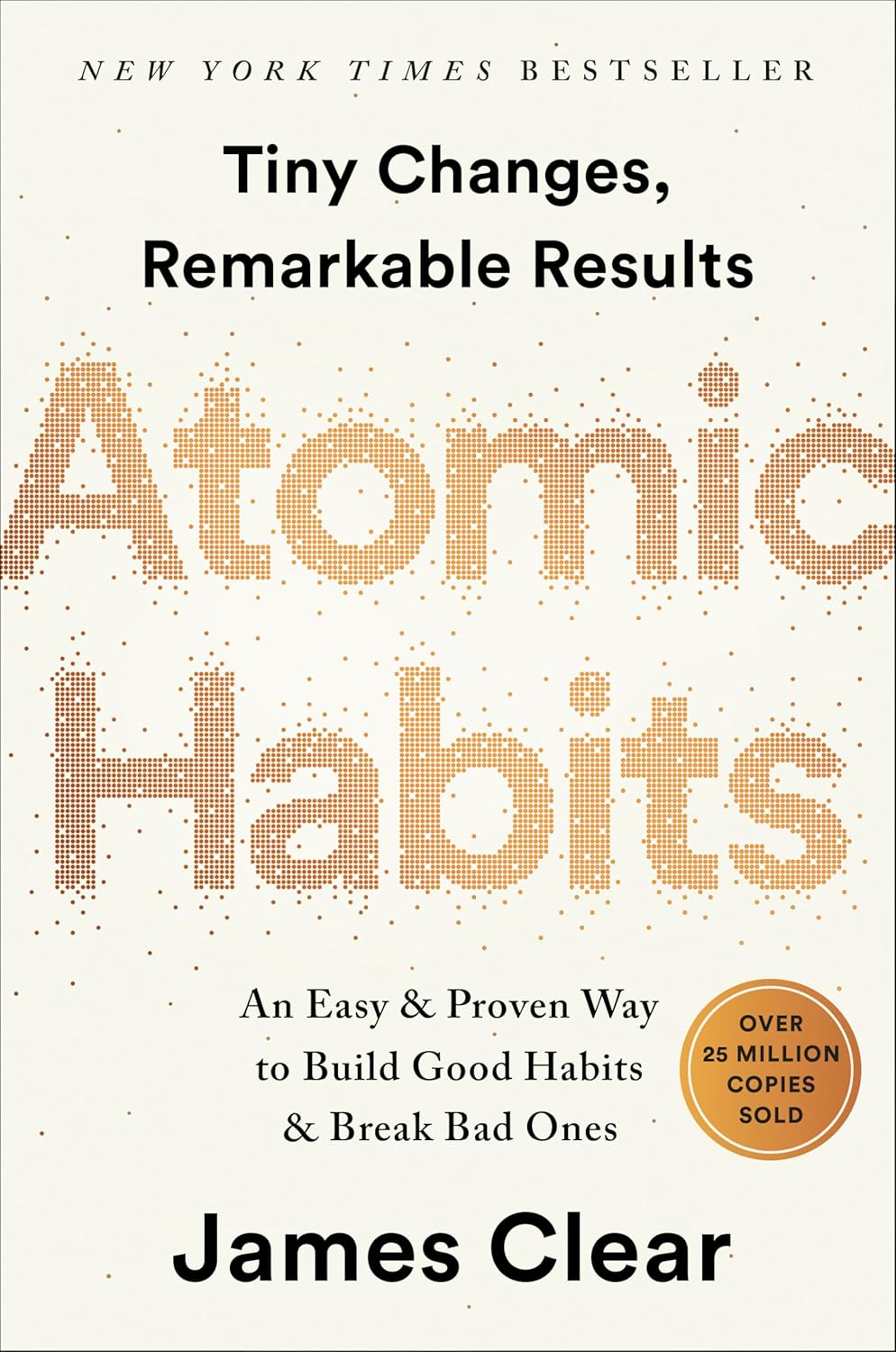
These are tools I personally use or recommend. No sponsorships — just things that made a real difference.
If Any Part of This Sounds Like You
This app was built for you. Not for people who have it figured out — for people who are still in the middle of it. Download free and take the first step. That is all you need to do right now.

Free to Try — 3 Days, No Card Needed